Merit-based hiring
Recruitment and advancement grounded in skill and performance ensures agencies are led by qualified professionals.
Merit Service Advocates
Founded by a former Vice Chairman of the U.S. Merit Systems Protection Board and a federal career executive with over 30 years of public service experience.
We protect, promote, and preserve an independent merit-based civil service, defend public servants from political interference, and explain why attacks on the civil service affect everyday Americans through services, trust, national security, and collective wellbeing.
Nonpartisan
Focused on institutional integrity and good government.
Evidence-led
Grounded in law, policy, and civic education.
Public trust
Protecting continuity for the public we serve.

Continuity & Expertise
A career civil service keeps programs stable, lawful, and responsive.
Core Principles
Six commitments that defend merit-based service, due process, and trustworthy governance for the public good.
Recruitment and advancement grounded in skill and performance ensures agencies are led by qualified professionals.
Public servants deserve independence from political pressure so expertise guides decisions and services.
Clear, lawful procedures protect employees’ rights and reinforce confidence in public institutions.
Open standards and accountable oversight help the public see that decisions serve the common good.
We encourage talented people to serve with integrity, strengthening communities and public outcomes.
Professional standards, evidence-based practice, and oversight keep government effective and responsive.
Our Mission
American democracy is strongest when public institutions are guided by professionalism, law, and the public good. We protect and promote an independent, merit-based civil service.
When that system is undermined, Americans feel the costs through lost services, eroded trust, and greater risks to national security and collective wellbeing. We keep the public informed about what is at stake and the safeguards that sustain continuity.
Through credible, civic-minded advocacy, we strengthen respect for career public servants and reinforce the institutional integrity democracy requires.
Leadership
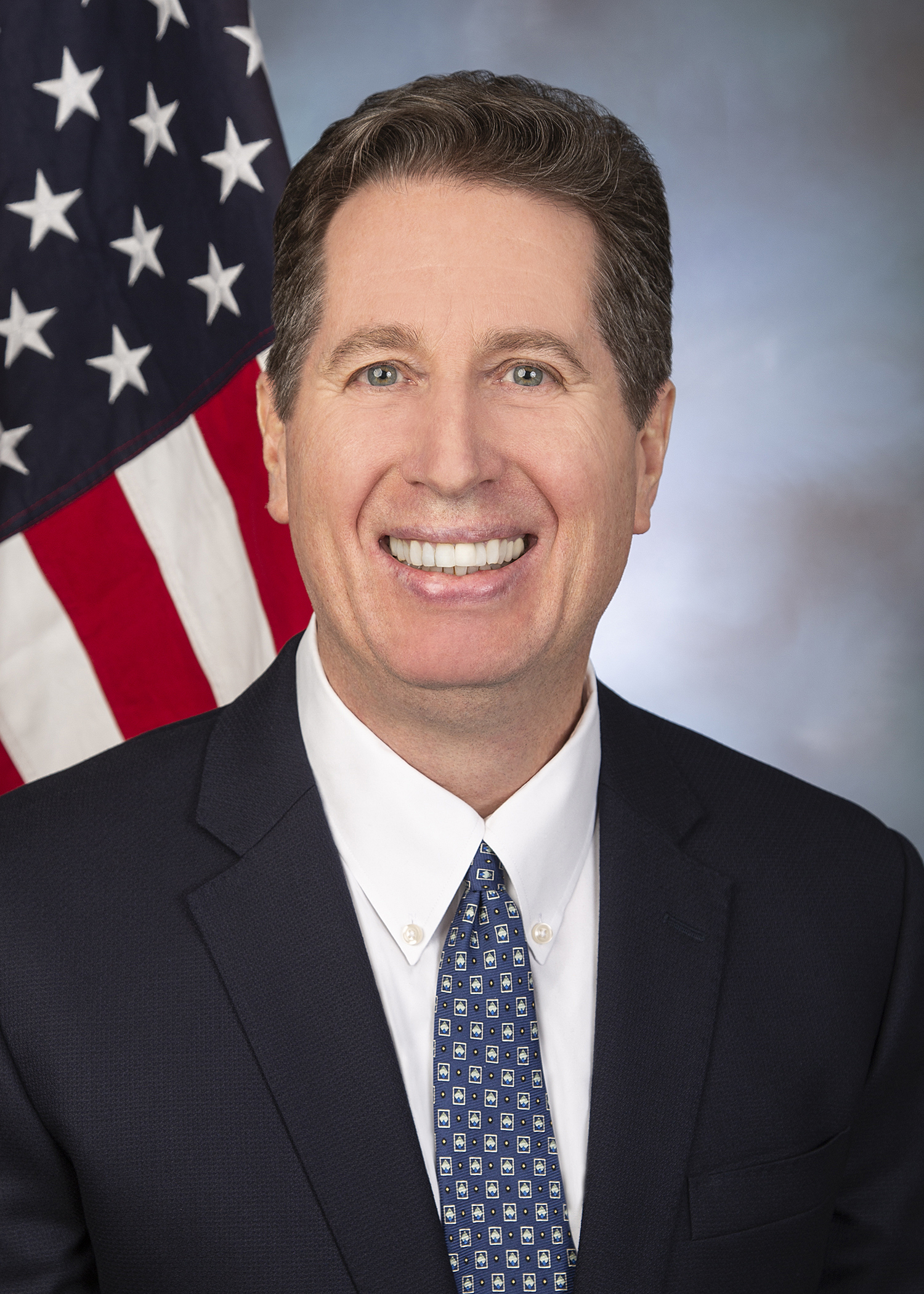
Raymond Limon, Founder of MSA, LLC
Raymond Limon brings more than 30 years of frontline federal experience to his work as Founder of Merit Service Advocates, LLC. His career spans some of the most consequential human capital and governance roles in the federal government, giving him a ground-level understanding of how merit-based systems work — and what happens when they are undermined.
Mr. Limon served as Vice Chairman of the U.S. Merit Systems Protection Board (MSPB), the independent agency responsible for protecting federal employees from prohibited personnel practices and ensuring the integrity of the civil service merit system. In that role, he presided over appeals and defended the due process rights of career public servants.
Prior to the MSPB, he held senior career executive human capital and legal positions at the U.S. Office of Personnel Management, the Department of the Interior, the U.S. Department of State, and the Corporation for National and Community Service — building expertise across legal and regulatory compliance, workforce governance, and organizational leadership.
Mr. Limon earned his J.D. from Indiana University Maurer School of Law and served as a Peace Corps Volunteer in Honduras — an early expression of a lifelong commitment to public service and civic responsibility.
He founded Merit Service Advocates to channel that experience into public education and advocacy at a moment when the civil service faces extraordinary pressure. His work is nonpartisan, evidence-grounded, and rooted in the belief that government institutions — and the people who serve in them — are worth defending.
Founder statement
“Public service is a public trust. We protect the integrity of government by defending the merit system, ensuring fairness, and preserving continuity so institutions can serve the people above politics.”
Impact highlights
Merit Service Advocates emphasizes a professional civil service that keeps essential services reliable, decisions evidence-based, and safeguards intact. These highlights reflect public impact grounded in nonpartisan expertise, lawful process, and long-term stewardship.
Reliable services
Communities depend on consistent delivery of public services regardless of political shifts or leadership changes.
Stable institutions keep benefits, safety, and administrative services working when the public needs them most.
Career professionals bring specialized knowledge that supports sound policy and effective implementation.
Clear legal standards and oversight help protect rights, ensure fairness, and prevent misuse of authority.
Cultivating civic-minded talent strengthens the next generation of trusted, mission-driven public service.
Common questions
These concise responses explain why professional civil service matters, how it supports the public, and what history teaches us about protecting institutional continuity.
A concise record of major personnel actions, policy shifts, and institutional developments affecting the U.S. Office of Personnel Management and the Merit Systems Protection Board.
Follow the updates that shape civil service oversight, continuity, and administration.
MSA Tracker
The Merit Systems Protection Board and the Office of Personnel Management are the two pillars of federal civil service integrity. The MSPB adjudicates employee appeals and defends merit principles. OPM sets the rules that govern how the federal workforce is hired, managed, and protected. When either institution is compromised — through staffing cuts, political appointments, or policy reversals — the consequences ripple across every federal agency and every American who depends on public services. MSA monitors these developments so the public stays informed.
Integrity at the center
This tracker focuses on the institutions that safeguard merit-based hiring, fair process, and continuity of public service.
Public impact, made visible
By documenting staffing, policy, and leadership changes, MSA helps the public see how governance decisions affect services and rights.
Ongoing accountability
We publish developments in one place so advocates, researchers, and civil servants can respond with clarity and confidence.
MSA Tracker
Practical guidance for reading, sharing, and applying each entry responsibly.
Check back regularly for new entries as developments unfold.
Forward entries to colleagues, journalists, or elected officials who need to understand what's at stake.
Each entry includes background on why the issue matters to the public and to federal employees.
Tracked Issues
These are current, tracked issues that shape the merit system and the professional federal civil service. Each entry summarizes a significant action or policy development with implications for public service protections. These entries are a small set of examples; the full tracker is available for download further below on this page.
President Trump fired Senate-confirmed MSPB Chair Cathy Harris via a one-line email with no stated cause, nearly three years before her term ended. Conflicting rulings in the D.C. Circuit have now sent the case to the Supreme Court, which previously stayed her reinstatement. The outcome could redefine whether independent agency members can be removed at will, threatening the MSPB's constitutional foundation and its ability to protect federal employees from unlawful personnel actions.
A February 2026 OPM proposed rule would move all Reduction-in-Force appeals away from the independent MSPB and into OPM's internal unit. There, paralegals would decide cases on a written record with no hearing rights. OPM would both write the RIF rules and adjudicate disputes under them, while explicitly superseding collective bargaining agreement protections. The public comment period closed March 12, 2026.
The MSPB Full Board ruled that career immigration judges are "inferior officers" under Article II and therefore exempt from standard civil service removal protections. The decision strips hundreds of judges of due-process rights retroactively, without a pre-termination hearing. It relied on a DOJ/OLC memo, raising conflict-of-interest concerns because OLC advises the agency that fired the judges. A Federal Circuit appeal is pending on six identified grounds, including improper retroactive nullification of vested statutory rights.
Tracker updated March 2026. New entries added as developments occur.
MSA Tracker
The complete MSA Tracker is available as a PDF document updated regularly. Download the latest version or subscribe to the Tracker to receive updates directly.
Publication-ready briefing
Updated releases, official sources, and annotated notes for researchers and public servants.
The latest tracker PDF is available now and updated with each release.
Proposal Initiative
A law school clinical program initiative for practical, mission-driven public service training.
This proposal offers a practical, low-cost framework for law schools to expand existing clinics into federal civil service and merit system representation—building on current capacity without new infrastructure or major capital investment.
Designed to fit within established clinical models, the Justice Clinic initiative equips students to serve federal employees and agencies with professionalism, due process, and integrity.
Integrates seamlessly with administrative, employment, civil rights, and veterans’ clinics.
Supports federal merit system representation and agency accountability work.
Creates a pipeline for service-ready graduates and public interest leadership.
A blueprint for law schools to augment existing clinics—administrative law, employment, civil rights, or veterans’ rights—with a dedicated federal merit system practice area, requiring no new infrastructure or major capital investment.
Law school deans, clinical directors, public interest faculty, and legal education administrators seeking to differentiate programs, serve a growing client population, and prepare graduates for public service careers.
More than 8,000 federal attorneys have left government since January 2025, creating a generational rupture in institutional legal capacity. Agencies and oversight bodies will need trained practitioners to rebuild.
There is currently no law school clinic in the United States dedicated specifically to federal merit system and civil service law. This initiative is designed to change that—one existing clinic at a time.
Download the full proposal below, and use the contact information on this page if your institution wants to explore a partnership.
Download the full proposalContact
We welcome inquiries from partners, media, researchers, and civic organizations interested in collaboration, speaking engagements, or learning more about protecting a professional, merit-based civil service.